Education

Soil and Water pH - Part 5

Soil and Water pH

Part I – What is pH?

Part II – How is nutrient availability affected by pH

Part III – How do fertilizers affect pH?

Part IV – How to adjust pH of soils

Part V – How to adjust pH of irrigation waters

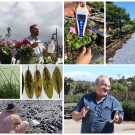
The process of adjusting irrigation water pH is the process of changing the amount of H+ or OH- ions that are dissolved in the water.  In most cases where water pH modifications are required, it is to lower pH rather than increase pH. 

Cottonseed Bug In Southern California Nurseries

Cottonseed bug (Oxycarenus hyalinipennis) is an invasive pest that was first detected in Los Angeles County in 2019 and has since spread across most of Southern California. It can now be found in San Diego, Orange, Riverside, Los Angeles, Santa Barbara, and San Bernadino Counties. Cottonseed bug (abbreviated CSB) primarily feeds and reproduces on malvaceous hosts like cotton, hibiscus, and mallows, but can also be found feeding on a wide variety of other plants from wheat to citrus. CSB feeding can cause seeds to abort and will occasionally damage fruit or young shoots.

Bringing the lab to the field:

Phytophthora pathogens cause root and crown rots in many ornamental species and are a recurrent challenge in nursery production. These pathogens greatly affect plant health, resulting in devastating losses to the nursery industry, and have the associated risk of releasing pathogens of regulatory concern into trade and natural ecosystems. Efforts to control pathogen spread are costly, and as such, developing reliable and fast diagnostic tools to prevent and monitor pathogen introduction into nursery production is key. 

UCNFA Fall Issue 2025

In this Fall 2025 issue of the UCNFA Newsletter, our Featured Article discusses current ongoing research evaluating the pathogen risks of irrigation with untreated recycled irrigation water on ornamental crops in San Diego County, including preliminary findings and potential grower implications. In Science to the Grower, we introduce an improved metric for measuring greenhouse light levels, Photosynthetic Photon Flux Density, to more accurately adjust lighting for optimal crop production.

Evaluating the Pathogen Risk of Implementing Recycled Irrigation Water in Ornamental Crops in San Diego County

Water scarcity continues to challenge California’s floriculture industry, leading many nurseries to rely on recycled irrigation water as a supplemental or primary water source. Although this approach conserves water, it also increases the risk of recirculating plant pathogens, particularly oomycetes such as Phytophthora, Pythium, and Phytopythium. These organisms move easily in water and can initiate new disease cycles each time crops are irrigated.

Lighting Illuminated

Why Discuss Light?

The tools available for growing our plants include testing a variety of parameters including specific ion nutrient testing, pH, salts, crop height, pathogen analysis, leaf tissue testing, and substrate testing to name a few. One overshadowed parameter is the amount of light we give our crops. Tracking light levels is important, but there are various ways to measure light, each with different implications for understanding plant growth.

Assessing Soil Disinfestation Practices for Weed and Pest Management

Soilborne pests and weeds continue to pose significant challenges for nursery growers and gardeners seeking sustainable management solutions. To demonstrate practical, non-chemical approaches for addressing these issues, the University of California Cooperative Extension (UCCE) Fresno County, in collaboration with the Fresno County Master Gardener Program, conducted a soil disinfestation demonstration during the summer season at the Garden of the Sun in Fresno.

2025 California Nursery Conference Summary

 2025 California Nursery Conference briefs growers on a roundup of new environmental laws on single-use plastics, water efficiency and nutrient management

Nursery owners and landscapers are anticipating a slew of new laws to roll their way over the next few years. These rules are poised to alter business as usual in all sectors of the horticultural industry, from cut flower operations to native plant nurseries.

UCNFA Summer Issue 2025

In this Summer 2025 issue of the UCNFA Newsletter, our Featured Articles focus on diseases on nursery crops, presenting the most recent diagnostics data from ornamental nurseries in California out of the Greenhouse and Nursery Pathology Lab at UC Davis. We will also discuss the impact and biology of powdery mildew in California nurseries, including practical guidelines for identification and management.

Understanding Powdery Mildew in Nurseries and Floriculture

What is Powdery Mildew? 

If you’ve ever seen a white, dusty coating on your ornamentals or nursery plants, chances are you’ve met powdery mildew, a common and frustrating disease affecting a wide range of nursery and floriculture crops.

Powdery mildew is caused by a group of fungi that are host-specific, meaning the one on your roses won’t necessarily infect your zinnias or begonias. Still, many ornamental crops are vulnerable, including roses, hydrangeas, snapdragons, phlox, chrysanthemums, begonias, kalanchoes, and many woody shrubs like crape myrtle, lilac, and dogwood.