Featured Articles

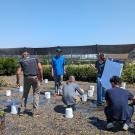
Focus Groups of California Nursery Managers Identified Education Priorities for Irrigators

Introduction

California’s nursery and greenhouse industry relies heavily on irrigation, and extended droughts, such as the 2012–2016 drought, highlight the critical need for efficient water management. While soil moisture sensors could optimize irrigation, the cost of installing thousands of sensors makes this approach prohibitive for many operations. Training employees in irrigation best management practices could offer a more cost-effective solution.

California Floriculture and Foliage Industry Shows Strong Growth and Regional Shifts in 2022 Ag Census

Floriculture and foliage production remain a significant component of California’s horticultural industry. According to the USDA 2022 Census of Agriculture, combined sales of bedding and garden plants, cut flowers and cut florist greens, foliage plants, potted flowering plants, and other floriculture and bedding crops totaled more than $1.27 billion statewide. These categories represent the core segments of California’s floriculture and foliage industry and represent the high-value portion of the broader nursery and floriculture sector reported in the Census.

Evaluating the Pathogen Risk of Implementing Recycled Irrigation Water in Ornamental Crops in San Diego County

Water scarcity continues to challenge California’s floriculture industry, leading many nurseries to rely on recycled irrigation water as a supplemental or primary water source. Although this approach conserves water, it also increases the risk of recirculating plant pathogens, particularly oomycetes such as Phytophthora, Pythium, and Phytopythium. These organisms move easily in water and can initiate new disease cycles each time crops are irrigated.

What We See in the Lab:

The disease diagnostics service for greenhouse and nursery crops was initiated in California in 2020 by Del Castillo Lab at UC Davis.

Understanding Powdery Mildew in Nurseries and Floriculture

What is Powdery Mildew? 

If you’ve ever seen a white, dusty coating on your ornamentals or nursery plants, chances are you’ve met powdery mildew, a common and frustrating disease affecting a wide range of nursery and floriculture crops.

Powdery mildew is caused by a group of fungi that are host-specific, meaning the one on your roses won’t necessarily infect your zinnias or begonias. Still, many ornamental crops are vulnerable, including roses, hydrangeas, snapdragons, phlox, chrysanthemums, begonias, kalanchoes, and many woody shrubs like crape myrtle, lilac, and dogwood.